
Cat Nestly
  • Behavior
  • Breeds
  • Care
  • Other Sites
  • Shop
    • Beds
    • Carrier
    • Grooming
    • Supplies
    • Toys

Behavior

Wondering why your cat does that weird thing? Our Behavior section can help. It’s built for curious cat owners, not experts.

Inside, you’ll find guides on meows, body language, and common quirks. We cover scratching, hissing, and odd habits too. Dealing with a behavior problem? We cover that too.

We keep the advice simple and judgment-free. No harsh training methods. No one-size-fits-all rules. Just practical tips that fit your cat’s personality.

New cat parent? Start here. Already know your cat well and want deeper insight? You’ll find that here too.

Our goal is simple: help you understand your cat, solve tricky habits, and build a stronger bond, one behavior at a time.

Read more
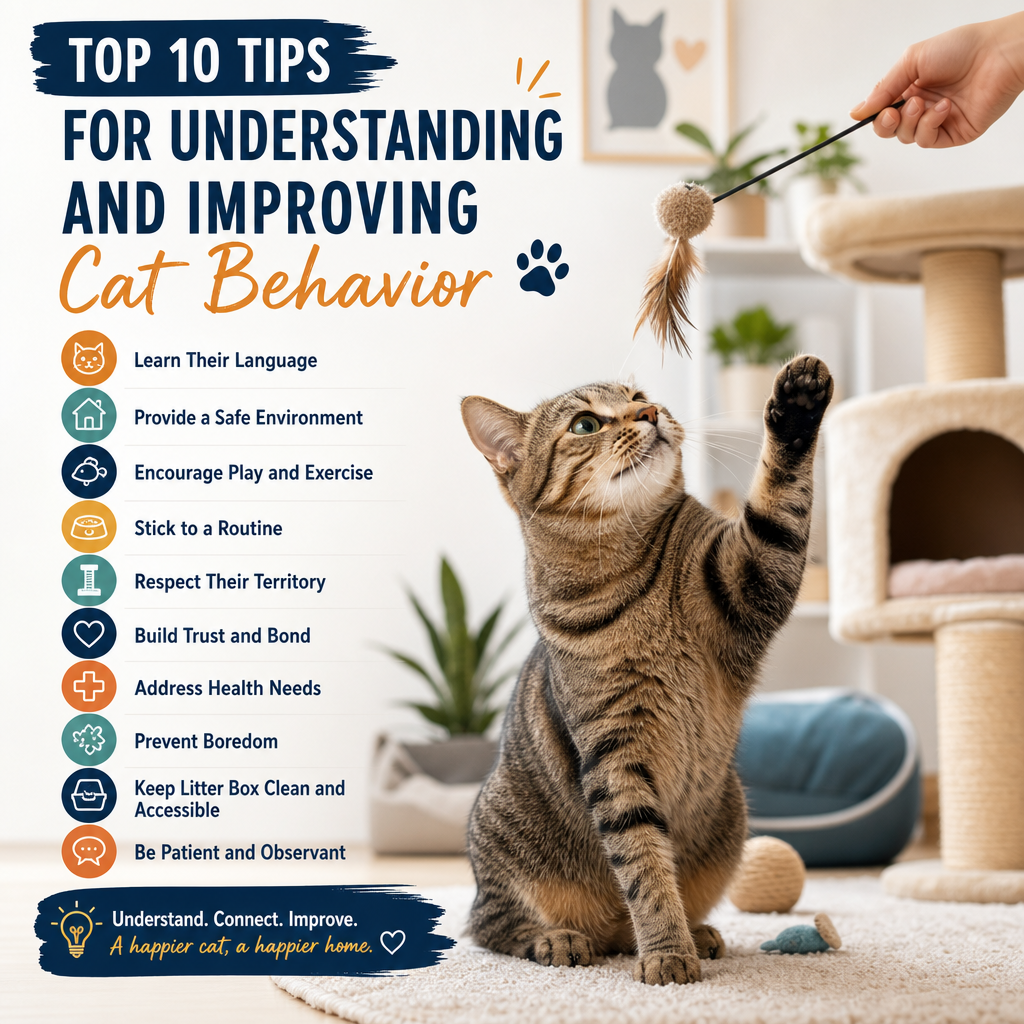
Infographic titled "Top 10 Tips for Understanding and Improving Cat Behavior" with cat illustrations and advice points.
Behavior

Cat Behavior: Top 10 Tips for Understanding and Improving It

by James 7월 23, 2026
written by James

Cats are fascinating companions, known for their mysterious and sometimes perplexing behavior. Understanding cat behavior is essential to building a strong bond with your pet and ensuring their happiness and well-being. Whether you’re a new cat owner or a longtime admirer, these tips will help you better understand and respond to your feline friend’s needs.


Common Cat Behavior Explained

Illustration of a happy cat with icons representing top 10 tips to understand and improve cat behavior.

Cats communicate through a blend of body language, vocalizations, and actions. Here are some typical behaviors and what they often mean:

1. Tail Movements

  • Upright Tail: A sign of happiness and confidence.
  • Puffed Tail: Indicates fear or aggression.
  • Slow Tail Twitching: Mild irritation or focused attention.
  • Tail Wrapped Around You: A friendly greeting or affection.

2. Purring

Most cats purr when they are content, but purring can also indicate nervousness or pain. Pay attention to context to interpret purring correctly.

3. Kneading

This behavior of pressing paws alternately against soft surfaces usually stems from kittenhood and is a sign of comfort and affection.

4. Scratching

Scratching is instinctual and helps cats mark territory, stretch muscles, and maintain claw health. Provide scratching posts to protect your furniture.


Tips to Manage and Encourage Positive Cat Behavior

1. Create a Stimulating Environment

A bored cat is more likely to exhibit unwanted behaviors such as scratching inappropriate items or excessive meowing.

  • Provide toys, climbing trees, and interactive playtime.
  • Rotate toys regularly to keep your cat engaged.

2. Respect Their Space

Cats value their personal space and may retreat when stressed or overwhelmed. Offer quiet areas and cozy beds where your cat can relax undisturbed.

3. Understand Body Language

Learning to read subtle signals in cat behavior can prevent misunderstandings. For example:

  • Flattened ears and dilated pupils often mean fear or aggression.
  • Slow blinking is a sign of trust and affection.

4. Consistent Routine

Cats thrive on routine for feeding, play, and rest times. Consistency helps reduce stress and behavioral issues.


Dealing with Problematic Cat Behavior

Sometimes cat behavior can be challenging. Here’s how to approach some common issues:

Aggression Towards People or Other Pets

  • Identify triggers (fear, territorial disputes, pain).
  • Avoid punishing your cat; instead, use positive reinforcement for calm behavior.
  • Consult a veterinarian or animal behaviorist if aggression persists.

Litter Box Problems

  • Keep the litter box clean and in a quiet location.
  • Ensure you have enough litter boxes: one per cat plus an extra.
  • Rule out medical issues by consulting a vet if problems continue.

Excessive Meowing

  • Assess if your cat is hungry, bored, or seeking attention.
  • Avoid reinforcing meowing by responding only when necessary.
  • Engage your cat in more interactive play sessions.

Strengthening Your Relationship Through Understanding Cat Behavior

Building a strong relationship with your cat depends on your ability to recognize and respond appropriately to their behavioral cues. Regular play, gentle handling, and respect for their needs foster trust and affection. Remember, patience and consistency are key! For more detailed advice, check out Top Tips for Understanding and Improving Cat Behavior.


Final Thoughts

Mastering cat behavior is an ongoing journey filled with discovery and joy. By observing and learning about your feline companion, you not only enrich their life but your own. Use these tips to create a happy, harmonious home where both you and your cat thrive.


Embrace the uniqueness of your cat’s personality and behaviors — your attentiveness will make all the difference in nurturing a loving relationship.

Infographic titled "Top 10 Tips for Understanding and Improving Cat Behavior" with a playful tabby cat illustration.

7월 23, 2026 0 comment
FacebookTwitterPinterestEmail
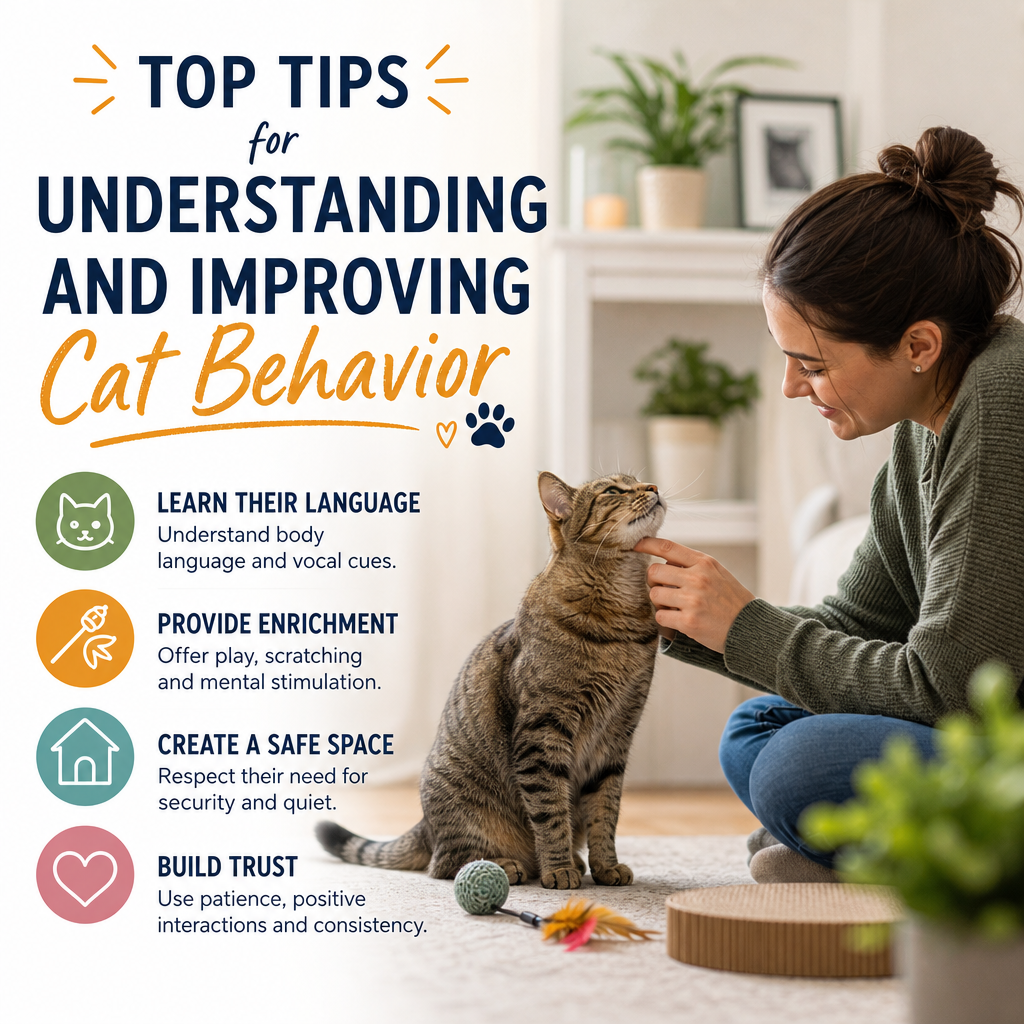
Infographic showing tips to understand and improve cat behavior, focusing on body language, needs, environment, and trust.
Behavior

Top Tips for Understanding and Improving Cat Behavior

by James 7월 21, 2026
written by James

Understanding and Improving Cat Behavior: Essential Tips for Every Cat Owner

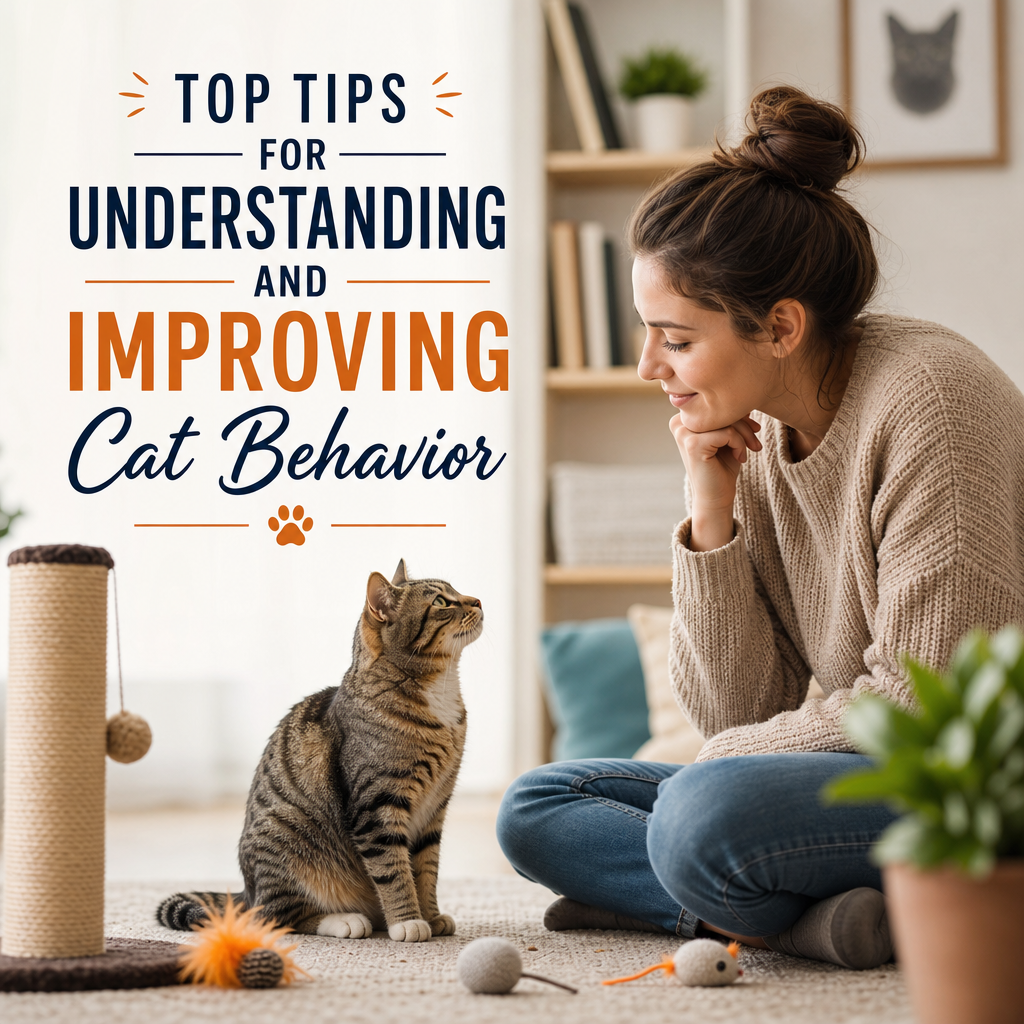
Woman smiling and petting a relaxed cat with text tips on understanding and improving cat behavior.

Cats are fascinating companions, known for their independent yet affectionate nature. However, understanding cat behavior can sometimes be challenging for even the most experienced pet owners. By learning to recognize the signals your feline friend sends and responding appropriately, you can build a stronger bond and create a happier, healthier home environment.

Why Understanding Cat Behavior Matters

Cats communicate mostly through body language and subtle vocalizations, which can sometimes be misunderstood. Ignoring or misreading these signs can lead to frustration for both you and your cat. By paying close attention, you can:

  • Prevent behavioral problems
  • Enhance the cat’s wellbeing
  • Strengthen your relationship with your pet

Common Types of Cat Behavior and What They Mean

Understanding typical cat behaviors will help you interpret what your cat is trying to tell you:

1. Purring

While often a sign of contentment, cats also purr when they’re stressed, in pain, or anxious. Context is key to understanding the message.

2. Tail Signals

  • Upright tail: Friendly and happy
  • Puffed-up tail: Fear or aggression
  • Twitching/flicking tail: Annoyance or excitement

3. Kneading

A comforting behavior from kittenhood that shows a cat feels safe and relaxed.

4. Scratching

A natural behavior used for marking territory, sharpening claws, and stretching muscles. Providing scratching posts can prevent damage to furniture.

Tips for Managing and Improving Cat Behavior

If you notice troublesome or confusing behaviors, these tips can help guide your cat towards positive habits.

1. Provide Environmental Enrichment

Cats need mental and physical stimulation to remain happy and avoid behavior problems.

  • Offer interactive toys and puzzles
  • Rotate toys regularly to keep interest high
  • Create high perches and cozy hiding spots

2. Create a Consistent Routine

Cats thrive on routine. Feeding, playing, and bedtime should happen at approximately the same time daily.

3. Use Positive Reinforcement

Reward desirable behaviors with treats, praise, and affection rather than punishment.

  • Avoid yelling or physical discipline
  • Use clicker training if desired

4. Respect Their Boundaries

Sometimes, cats need time alone. Pay attention to signals indicating that your cat wants space.

  • Avoid forcing interaction
  • Allow your cat to initiate contact

5. Address Stress and Anxiety

Many behavior issues stem from stress. Identify and minimize stressors such as loud noises, other pets, or change in routine.

  • Use pheromone diffusers to create a calming environment
  • Provide safe, quiet spaces

When to Consult a Veterinarian or Behaviorist

If your cat’s behavior changes suddenly or becomes aggressive, anxious, or destructive, a veterinary checkup is essential. Medical problems can manifest as behavior changes. If health issues are ruled out, a certified animal behaviorist can offer targeted advice and training techniques.

Final Thoughts

Improving cat behavior takes patience, observation, and a willingness to adjust your environment and routine. Every cat is unique, and understanding their specific needs can ensure a happier life for both you and your furry friend. By respecting their communication and providing proper care, you can enjoy many rewarding years together.

Woman smiling and gently petting a content cat, illustrating top tips for understanding and improving cat behavior.

7월 21, 2026 0 comment
FacebookTwitterPinterestEmail
Load More Posts

oneisall Dog Shaver Clippers Low Noise Rechargeable Cordless Electric Quiet Hair Clippers Set for Dogs Cats Pets
Amazon.com
★★★★★
oneisall Dog Shaver Clippers Low Noise Rechargeable Cordless Electric Quiet...
$34,992.92
BUY NOW
AIRROBO Dog Hair Vacuum & Dog Grooming Kit&Dog Electric Clipper, 12000Pa Strong Pet Grooming Vacuum, 2L Large Capacity Dog Vacuum for Shedding Grooming Hair, Quiet, 5 Pet Grooming Tools, PG100
Amazon.com
★★★★★
AIRROBO Dog Hair Vacuum & Dog Grooming Kit&Dog Electric Clipper, 12000Pa...
$89.99
BUY NOW
3PCS Dog Bath Brush | Dog Shampoo Brush | Dog Scrubber for Bath | Dog Bath Brush Scrubber | Dog Shower/Washing Brush with Adjustable Ring Handle for Short & Long Hair (Blue Blue Blue)
Amazon.com
★★★★★
3PCS Dog Bath Brush | Dog Shampoo Brush | Dog Scrubber for Bath | Dog Bath...
$9,979.97
BUY NOW
Pet Grooming Vacuum & Dog Hair Vacuum & Dog Electric Clipper, 12000Pa Powerful Dog Vacuum for Shedding Grooming Hair, 2L Large Dust Cup, Low Noise, 3 Suction Levels, 5 Grooming Tools
Amazon.com
★★★★★
Pet Grooming Vacuum & Dog Hair Vacuum & Dog Electric Clipper, 12000Pa...
$69.99
BUY NOW
- 20%
GLADOG Professional 5 in 1 Dog Grooming Scissors Set with Safety Round Tips, Sharp and Heavy-duty Pet Grooming Shears for Cats
Amazon.com
★★★★★
GLADOG Professional 5 in 1 Dog Grooming Scissors Set with Safety Round Tips,...
$19.99$24.99 
BUY NOW
Maxpower Planet Pet Grooming Brush - Double Sided Shedding, Dematting Undercoat Rake for Dogs, Cats - Extra Wide Dog Grooming Brush, Dog Brush for Shedding, Cat Brush, Reduce Shedding by 95%, Blue
Amazon.com
★★★★★
Maxpower Planet Pet Grooming Brush - Double Sided Shedding, Dematting...
$9,989.98
BUY NOW

Legal Information

  • Privacy Policy
  • Anti-Spam Policy
  • Copyright Notice
  • DMCA Compliance
  • Medical Disclaimer
  • Social Media Disclaimer
  • Terms
  • Contact

Popular Posts

  • 1

    Amazing Secrets of Cat Breeds: Discover Your Ideal Type of Cat

  • 2

    The Cat Guide: Complete Cat Care and Cat Management Tips

  • 3

    Top Tips for Understanding and Improving Cat Behavior

© 2026 - CatNestly.org. All Rights Reserved.

Cat Nestly
  • Behavior
  • Breeds
  • Care
  • Other Sites
  • Shop
    • Beds
    • Carrier
    • Grooming
    • Supplies
    • Toys