

76
# A Complete Guide to Cat Care
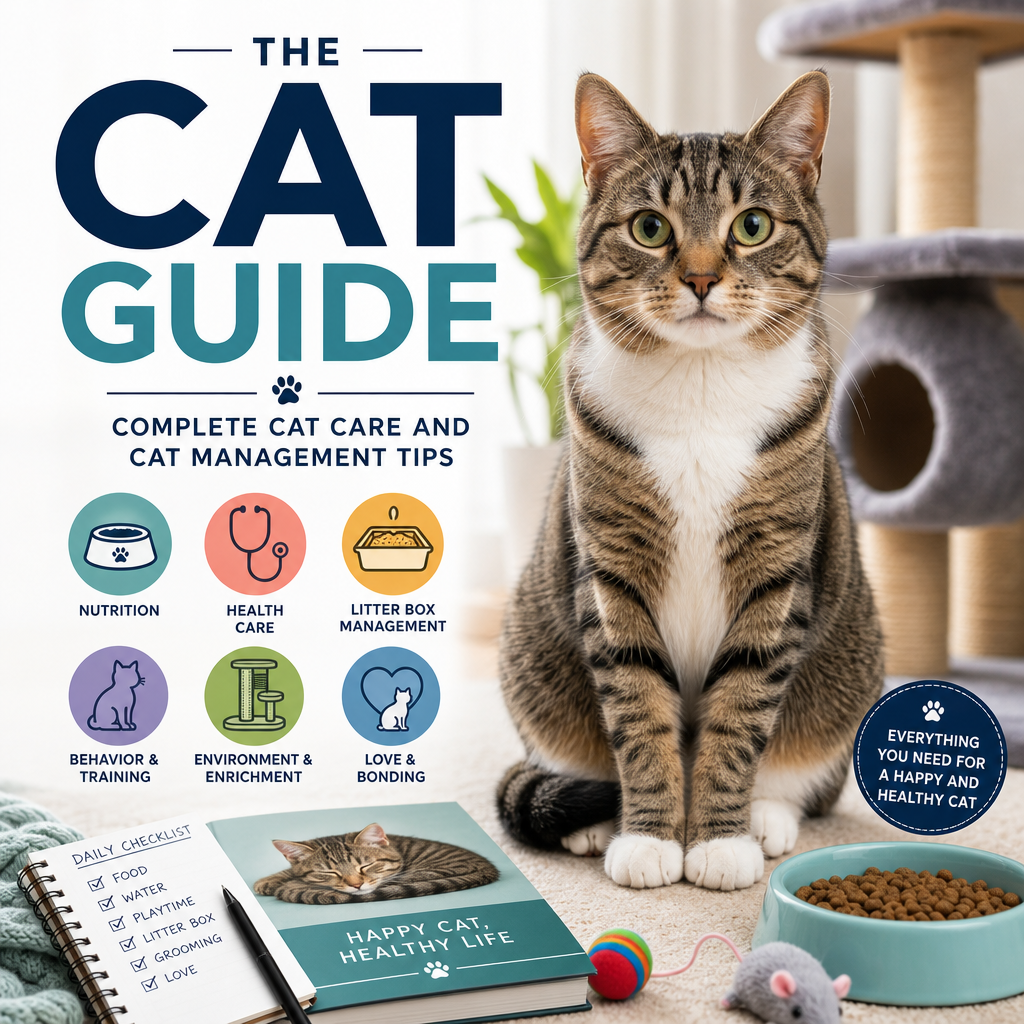
Cats are wonderful companions that bring joy, comfort, and a touch of mischief to our lives. However, ensuring your feline friend is happy and healthy requires a solid understanding of cat care. This complete cat guide will walk you through the essential aspects of cat management, from feeding and grooming to health and behavior.
Understanding Cat Care Essentials
 Proper cat care starts with meeting your cat’s basic needs. These include diet, shelter, health, and emotional well-being. Cats may seem independent, but they rely on responsible owners for a nurturing environment.
Nutrition and Feeding
Good cat care begins with providing a balanced diet. Cats are obligate carnivores, so their meals should focus on high-quality protein sources.
- Choose the Right Food: Opt for commercial wet or dry cat food that meets AAFCO (Association of American Feed Control Officials) standards.
- Feeding Schedule: Adults generally thrive on two meals per day; kittens require more frequent feeding.
- Avoid Harmful Foods: Never feed cats chocolate, onions, garlic, alcohol, or caffeine—these are toxic to felines.
- Fresh Water: Always supply clean, fresh water in an easily accessible bowl.
Creating a Safe and Comfortable Space
Cats appreciate a safe, quiet environment where they can relax and retreat. Creating a stimulating environment also contributes significantly to cat management and well-being.
- Provide a Cozy Bed: Cats love soft, warm sleeping spots.
- Litter Box Essentials: Keep the litter box clean and place it in a quiet, accessible location. Clean daily and use unscented, clumping litter for ease of maintenance.
- Enrichment: Offer toys, scratching posts, and perches to encourage exercise and mental stimulation.
Grooming and Hygiene
Taking care of your cat’s grooming needs is an important part of cat care, especially for long-haired breeds.
- Regular Brushing: Reduce shedding and hairballs by brushing your cat several times a week.
- Nail Trimming: Trim nails carefully every few weeks to prevent overgrowth and injury.
- Dental Care: Brush your cat’s teeth regularly or provide dental treats to prevent oral disease.
- Ear and Eye Checks: Monitor your cat’s ears and eyes for any sign of infection or abnormal discharge.
Health and Veterinary Care
Good cat management means staying proactive about health. Regular vet visits help detect issues early and keep vaccinations up to date.
Routine Vet Visits
- Annual Check-ups: Essential for overall health and early disease detection.
- Vaccinations: Protect against common feline diseases such as rabies, feline distemper, and leukemia.
- Parasite Prevention: Use flea and tick prevention year-round and deworm as recommended.
- Spaying/Neutering: Benefits your cat’s health and helps reduce overpopulation.
Monitoring Behavior and Signs of Illness
Cats are masters at hiding pain, so it's vital to watch for subtle signs:
- Changes in appetite or water intake
- Lethargy or decreased activity
- Vomiting or diarrhea
- Coughing or sneezing
- Excessive grooming or scratching
If you notice any abnormalities, contact your veterinarian promptly.
Understanding Cat Behavior
Managing your cat’s behavior contributes to a harmonious home. Understanding why cats act a certain way allows for better cat care.
- Socialization: Most cats enjoy human interaction but may need slow introductions if shy.
- Scratching: Cats scratch to mark territory and keep nails healthy; provide scratching posts to save your furniture.
- Play Behavior: Regular playtime with toys mimics hunting instincts and reduces stress.
- Litter Box Use: Consistent litter box habits usually indicate a healthy cat; issues may suggest stress or medical problems.
The Cat Guide to Long-Term Care
Caring for a cat is a long-term commitment that evolves as your feline ages. Senior cats may require special diets, more frequent vet visits, and additional support.
- Adjust Diet for Age: Older cats have different nutritional needs.
- Maintain Mobility: Provide ramps or stairs if arthritis becomes an issue.
- Monitor Cognitive Health: Behavioral changes can indicate cognitive decline or illness.
---
Conclusion
With this complete guide to cat care, you are better equipped for responsible cat management. By focusing on nutrition, grooming, health, and behavior, you ensure that your cat lives a happy, healthy, and enriched life. Remember, a well-cared-for cat is a beloved companion who will reward you with years of affection and joy.
Start applying these cat care tips today and enjoy the special bond you share with your feline friend!