


Understanding and Improving Cat Behavior: Essential Tips for Every Cat Owner
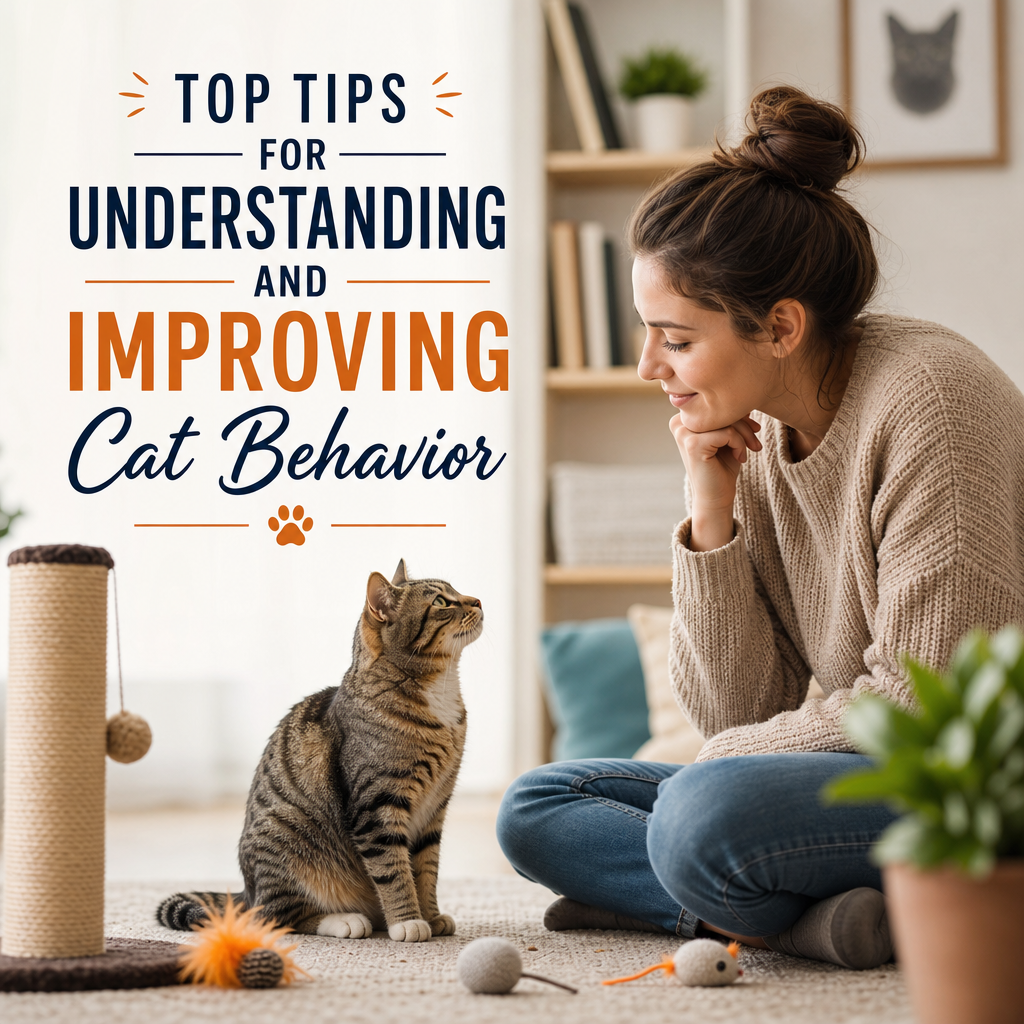
Cats are fascinating companions, known for their independent yet affectionate nature. However, understanding cat behavior can sometimes be challenging for even the most experienced pet owners. By learning to recognize the signals your feline friend sends and responding appropriately, you can build a stronger bond and create a happier, healthier home environment.
Why Understanding Cat Behavior Matters
Cats communicate mostly through body language and subtle vocalizations, which can sometimes be misunderstood. Ignoring or misreading these signs can lead to frustration for both you and your cat. By paying close attention, you can:
- Prevent behavioral problems
- Enhance the cat’s wellbeing
- Strengthen your relationship with your pet
Common Types of Cat Behavior and What They Mean
Understanding typical cat behaviors will help you interpret what your cat is trying to tell you:
1. Purring
While often a sign of contentment, cats also purr when they’re stressed, in pain, or anxious. Context is key to understanding the message.
2. Tail Signals
- Upright tail: Friendly and happy
- Puffed-up tail: Fear or aggression
- Twitching/flicking tail: Annoyance or excitement
3. Kneading
A comforting behavior from kittenhood that shows a cat feels safe and relaxed.
4. Scratching
A natural behavior used for marking territory, sharpening claws, and stretching muscles. Providing scratching posts can prevent damage to furniture.
Tips for Managing and Improving Cat Behavior
If you notice troublesome or confusing behaviors, these tips can help guide your cat towards positive habits.
1. Provide Environmental Enrichment
Cats need mental and physical stimulation to remain happy and avoid behavior problems.
- Offer interactive toys and puzzles
- Rotate toys regularly to keep interest high
- Create high perches and cozy hiding spots
2. Create a Consistent Routine
Cats thrive on routine. Feeding, playing, and bedtime should happen at approximately the same time daily.
3. Use Positive Reinforcement
Reward desirable behaviors with treats, praise, and affection rather than punishment.
- Avoid yelling or physical discipline
- Use clicker training if desired
4. Respect Their Boundaries
Sometimes, cats need time alone. Pay attention to signals indicating that your cat wants space.
- Avoid forcing interaction
- Allow your cat to initiate contact
5. Address Stress and Anxiety
Many behavior issues stem from stress. Identify and minimize stressors such as loud noises, other pets, or change in routine.
- Use pheromone diffusers to create a calming environment
- Provide safe, quiet spaces
When to Consult a Veterinarian or Behaviorist
If your cat’s behavior changes suddenly or becomes aggressive, anxious, or destructive, a veterinary checkup is essential. Medical problems can manifest as behavior changes. If health issues are ruled out, a certified animal behaviorist can offer targeted advice and training techniques.
Final Thoughts
Improving cat behavior takes patience, observation, and a willingness to adjust your environment and routine. Every cat is unique, and understanding their specific needs can ensure a happier life for both you and your furry friend. By respecting their communication and providing proper care, you can enjoy many rewarding years together.